Daily log agents for construction
The short version: the daily log is the document that wins or loses the delay claim, and on most jobs it’s written in the site office at 5:30pm from memory. A daily log agent takes the superintendent’s three-minute walk-and-talk and produces a structured, timestamped record — weather, manpower, deliveries, delays, photos attached — the same day, every day.
Last updated:
The problem, precisely
Everyone agrees the daily log matters. It’s the contemporaneous record: what happened, who was on site, what arrived, what was held up and why. When a delay claim or a defect dispute lands eighteen months later, the log is the evidence.
And on real jobs, it’s the task that loses to everything else. Written late, written thin, written identically for days at a stretch (“works progressing”), with the photos sitting unattached on someone’s phone. The document that matters most in a dispute is the one produced with the least care — not because anyone disagrees it matters, but because it competes with running the job.
What the agent does
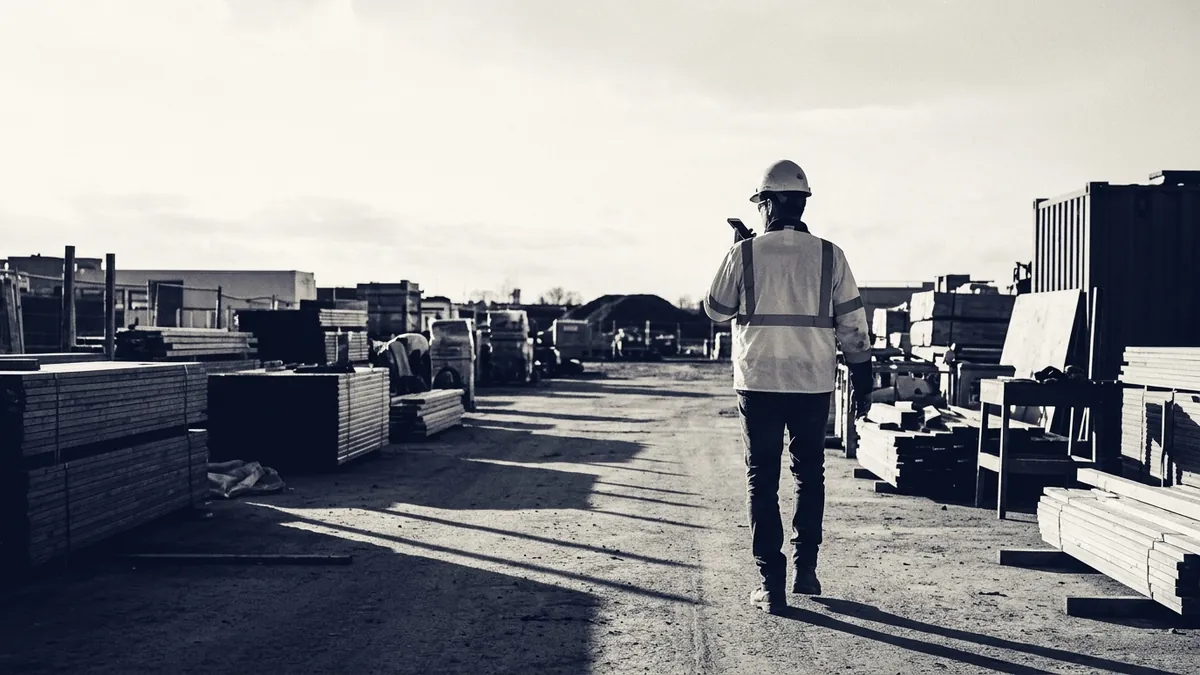
Capture on the walk. The superintendent talks while walking off site — what happened, who was where, what arrived, what didn’t, what was delayed and why. Photos taken during the day attach by time and location.
Structure it. The agent produces the log in your format: weather pulled automatically, manpower by trade from what was said (cross-checked against site access data where you have it), deliveries, inspections, delays with causes, visitors, safety observations routed to HSE.
Prompt what’s missing. No mention of the concrete pour that was scheduled today? The agent asks — at capture, while the answer is a sentence rather than a reconstruction.
Keep it contemporaneous. Every entry is timestamped at capture. A log written same-day by voice, with attached geotagged photos, is materially stronger evidence than one typed generically at week’s end — and it’s less work, not more.
Never editorialise. The log records what the superintendent said and what the data shows. Claims narrative is a human’s job; the agent’s job is making sure the raw record exists to build it from.
The daily log today vs with an agent
| Today | With an agent | |
|---|---|---|
| When it’s written | 5:30pm, from memory | On the walk, by voice |
| Time cost | 20–30 minutes | ~3 minutes |
| Photos | On a phone, unattached | Attached by time and location |
| Delay entries | “Works progressing” | Cause, duration, trade, timestamp |
| Consistency across supers | Varies wildly | Same structure, every day |
| Evidentiary weight | Reconstructed, generic | Contemporaneous, specific |
What it connects to
Platforms: Procore and Autodesk Construction Cloud daily log modules — the agent writes into your existing system of record, not a parallel one.
Weather and site data: automatic, so the superintendent never dictates the temperature.
HSE: safety observations route into your existing reporting. Related coordination: RFI agents and submittal agents — the three deploy well together because they share the platform integration.
Frequently asked questions
Will a log produced this way hold up in a dispute?
It’s stronger than the status quo it replaces: same-day, timestamped, specific, with photos attached at capture. Contemporaneity is the property disputes turn on, and it’s exactly what the 5:30pm reconstruction lacks. Have your claims consultant review the format during the build — we expect them to like it.
Does it write the log by itself?
It structures what the superintendent says and what connected data shows. Nothing enters the log that wasn’t said or measured, and the super reviews before it’s filed. An invented log entry is worse than a thin one, and the build treats that as a hard rule.
What if the super forgets something?
The agent prompts against the schedule — the pour, the inspection, the delivery that was due. Prompted-at-capture beats remembered-at-5:30 every time.
Our supers hate paperwork. Why would they use this?
Because it’s three minutes of talking instead of twenty-five minutes of typing, and it makes the thing they already do (walking the job) produce the record. Shadow mode measures adoption honestly before go-live; if they won’t use it, we change the build.
How long to deploy?
Typically 3–5 weeks on Procore or ACC — the fastest of the construction workflow builds, because the integration surface is small.